

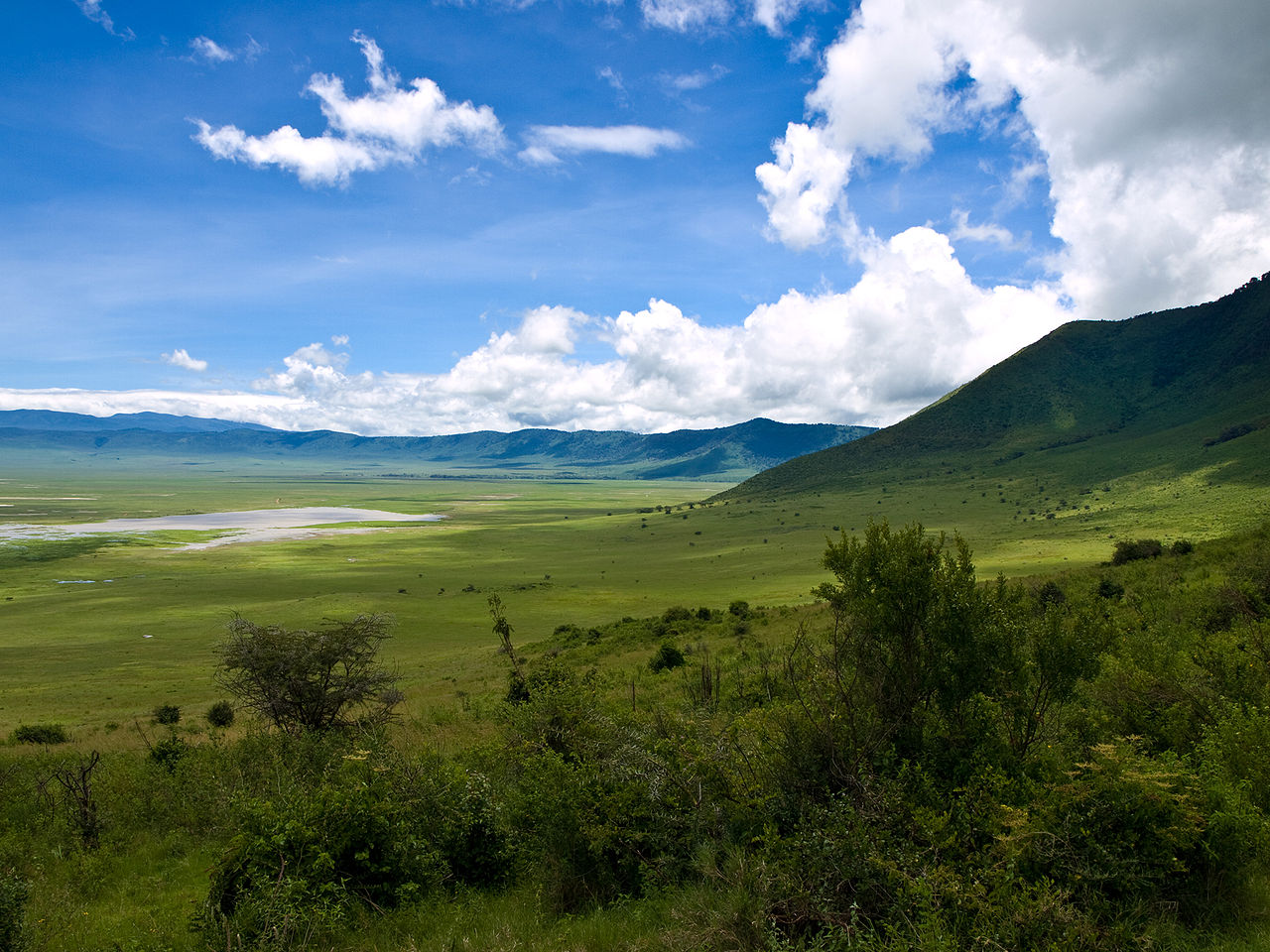
Exploring the Ngorongoro Crater: A Natural Wonder
The Ngorongoro Crater is a UNESCO World Heritage site and one of Tanzania’s most remarkable natural attractions. Home to a dense population of wildlife, including lions, elephants, and rhinos, the crater offers unparalleled safari experiences. This blog covers the crater’s geology, wildlife highlights, and opportunities to meet Maasai communities, helping you make the most of your visit to this stunning volcanic caldera.
A Unique Natural Formation
The Ngorongoro Crater was formed about two to three million years ago when a large volcano collapsed after a major eruption. What remains today is the world’s largest intact volcanic caldera, measuring about 19 kilometers across and covering more than 260 square kilometers.
The steep crater walls rise roughly 600 meters above the floor, creating a natural enclosure for wildlife. Inside the crater you will find open grasslands, freshwater lakes, forests, and swamps. These different habitats support a wide range of animals and make the crater one of the most productive wildlife areas in Africa.
Because animals have access to water and food throughout the year, many species remain in the crater permanently rather than migrating.
Wildlife in the Ngorongoro Crater
The crater is often described as a natural wildlife sanctuary because of its high concentration of animals. Visitors may encounter many of Africa’s iconic species during a single game drive.
Lions are commonly seen resting in the grasslands or moving across the open plains. Large herds of wildebeest, zebras, and gazelles graze across the crater floor, while buffalo can often be found near wetlands. Elephants, especially older bulls with impressive tusks, are sometimes seen moving slowly through the forests and plains.
The crater is also one of the best places in Tanzania to spot the endangered black rhinoceros. Although sightings are never guaranteed, Ngorongoro offers one of the few remaining habitats where these animals still live in the wild.
Lake Magadi, located in the center of the crater, often attracts flamingos and other water birds, adding another layer of life to this unique ecosystem.
The Maasai and the Ngorongoro Landscape
The Ngorongoro Conservation Area is not only important for wildlife but also for the communities that live there. The Maasai people have lived in the region for generations, maintaining a pastoral lifestyle centered around cattle herding.
Unlike many national parks, the conservation area allows both wildlife and local communities to coexist. Visitors traveling through the highlands around the crater may see Maasai herders guiding their cattle across the open landscape.
Cultural visits to Maasai villages can offer insight into traditional customs, daily life, and the strong relationship between the Maasai and their environment.
What to Expect During a Crater Safari
A typical safari in the Ngorongoro Crater begins with a drive down the steep road from the crater rim to the floor below. The descent offers impressive views before reaching the open plains where wildlife viewing begins.
Game drives usually last several hours, allowing visitors to explore different areas such as grasslands, lakes, and swampy regions where animals gather. Because the crater is relatively compact compared to other parks, it is possible to see many species within a single day.
Early morning visits often provide the best wildlife activity and clear views across the crater floor.
Planning Your Visit
Most travelers visit the Ngorongoro Crater as part of a northern Tanzania safari circuit that includes destinations such as Serengeti National Park, Tarangire National Park, and Lake Manyara National Park.
The crater can be visited throughout the year, though the dry season generally offers easier wildlife viewing due to shorter grass and clearer conditions. Regardless of the season, the landscape and wildlife density make Ngorongoro one of the most memorable safari destinations in Tanzania.
For many visitors, descending into the crater feels like entering a natural world that has remained largely unchanged for centuries. It is a place where wildlife, landscapes, and culture come together to create a truly unique safari experience.